
Call us toll free:
8619709992541 [email protected]
Jctprint Machinery Co., Ltd
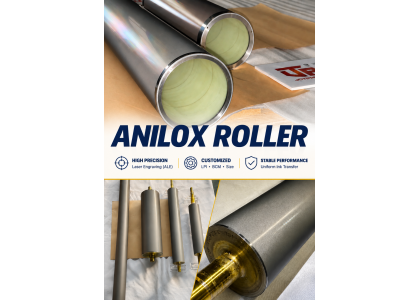
Choosing a ceramic anilox roller is not simply about finding the correct diameter and length.
For flexographic printing, the anilox roller directly controls ink transfer. The wrong specification or poor engraving quality can lead to unstable colors, uneven ink transfer, frequent press adjustments and unnecessary production waste.
Before ordering a new or replacement anilox roller, here are the key points you should check.
The first step is to provide your printing machine information.
Different presses may require different roller dimensions, shaft designs and operating accuracy.
Ceramic anilox rollers are commonly used for:
If you are replacing an existing roller, providing the machine brand and model can help the manufacturer confirm the correct design.
JCTPRINT manufactures customized anilox rollers for different flexographic presses, including W&H, BOBST, Comexi, Nilpeter, Mark Andy and other equipment.
Accurate dimensions are essential for correct installation.
Before requesting a quotation, confirm:
If you already have an existing roller, the easiest solution is to provide its technical drawing or detailed dimensions.
A clear photo of the existing roller can also help identify the required structure.
LPI is one of the most commonly discussed specifications when purchasing an anilox roller, but LPI alone does not determine ink transfer performance.
You should also consider the cell volume, usually expressed in BCM.
In simple terms:
LPI influences the fineness of the cell structure.
BCM influences how much ink the roller can carry and transfer.
For example, fine graphics and solid printing usually require different combinations of LPI and BCM.
The correct specification should therefore be selected according to the actual printing job rather than simply choosing a higher LPI.
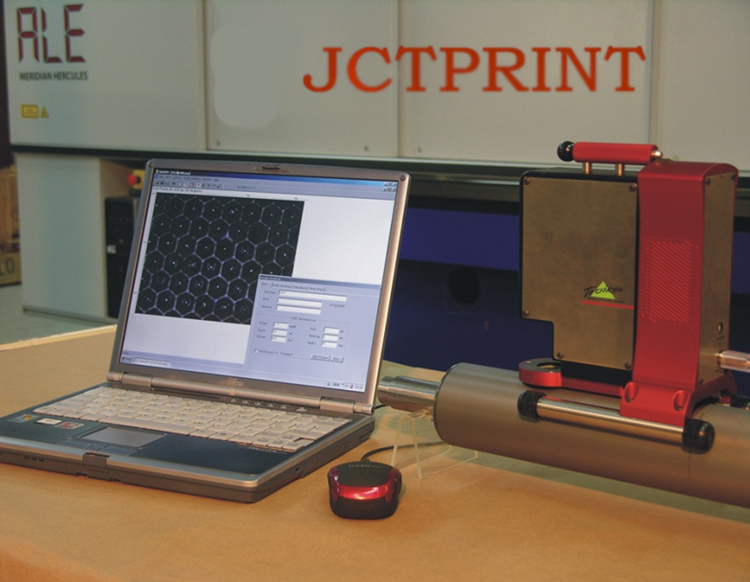
If you are unsure about the correct LPI or BCM, provide information about your actual printing application.
Useful information includes:
For flexible packaging and high-speed CI flexo printing, stable and repeatable ink transfer is especially important.
Providing this information helps the manufacturer recommend a more suitable anilox specification.
The microscopic cells on the ceramic surface determine how ink is carried and transferred.
Therefore, engraving quality is one of the most important factors when comparing anilox rollers.
A high-quality laser engraving process should provide:
JCTPRINT uses ALE high-precision laser engraving equipment to control cell accuracy and consistency.
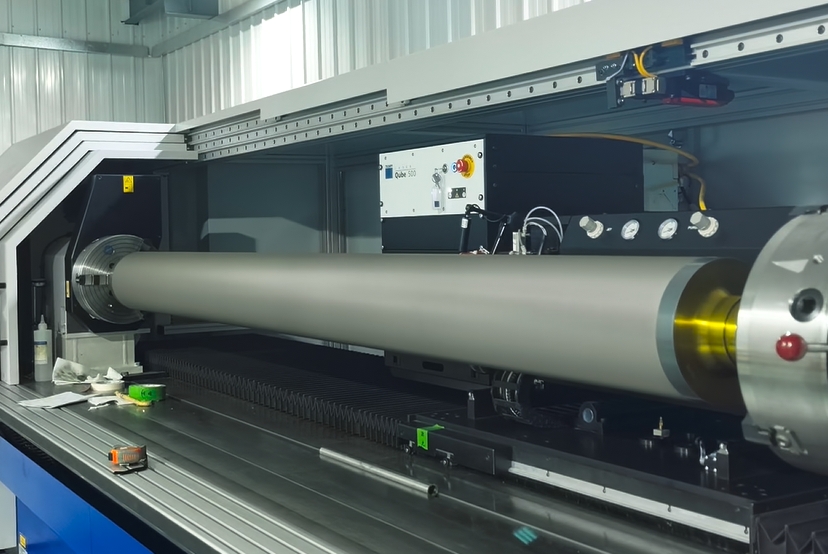
The ceramic layer is another important factor affecting the performance and service life of an anilox roller.
A high-quality ceramic surface should provide good:
For high-speed flexographic printing, consistent ceramic surface quality helps the roller maintain stable performance during long production runs.
Manufacturing is only part of the process. Inspection before shipment is equally important.
Before choosing an anilox roller manufacturer, check whether the supplier can verify the key specifications of the finished roller.
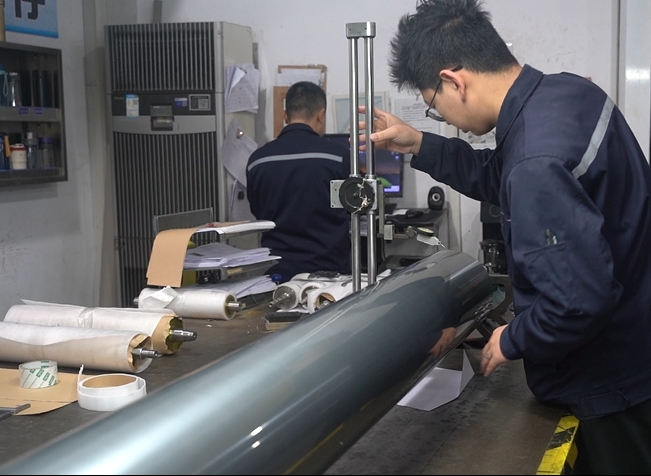
At JCTPRINT, anilox rollers undergo quality inspections including:
These inspections help ensure that the finished roller matches the required specifications before delivery.
If you need a new or replacement ceramic anilox roller, preparing the following information can make the quotation process much faster:
If some specifications are unavailable, you can also send the machine model and photos of your existing anilox roller for technical confirmation.
The right anilox roller should not only fit your machine—it should also match your actual printing requirements.
JCTPRINT manufactures customized ceramic anilox rollers and anilox sleeves for CI flexo, wide-web flexo, label printing, flexible packaging and other applications.
Whether you need a single replacement roller, spare rollers or multiple customized rollers, send us your drawing, machine model or existing roller specifications.
Our technical team can help confirm the details and provide a suitable solution.


